For many travelers, the tarangire vs ngorongoro safari decision is the first serious turning point in a northern Tanzania plan. You want reliable wildlife, the right atmosphere, and a cost that makes sense for your trip. If you have already started planning a Kenya safari, both parks also work as cross-border extensions. The challenge is that they deliver different days in the bush, not just different price tags.
Use this checklist in order. Choose a park style, compare wildlife, check seasons, weigh crowds, understand costs, and then decide how many nights it deserves.
Which Is Better: A Tarangire vs Ngorongoro Safari?
Choose Tarangire for elephant herds, baobabs, more spacious game drives, and generally lighter vehicle pressure. Choose Ngorongoro for the highest chance of seeing dense wildlife, including black rhino, during one crater descent. If time allows, visiting both is better. Tarangire provides ecological variety, while Ngorongoro delivers concentrated, high-impact sightings.
The difference is ecological. Tarangire National Park is a broad seasonal wilderness. Its wildlife moves with water. Ngorongoro Conservation Area, by contrast, wraps around a closed volcanic crater. Animals on the crater floor have little reason to leave, so one descent can feel like a wildlife highlight reel.
Where Are Your Best Big Five Safari Sightings?
Ngorongoro is the stronger choice for concentrated Big Five viewing, especially buffalo, lion, elephant, and a realistic black rhino possibility on the crater floor. Tarangire is better for elephants, giraffes, large antelope, baobab landscapes, and watching wildlife gather around water. Leopards are possible in both parks but never guaranteed.
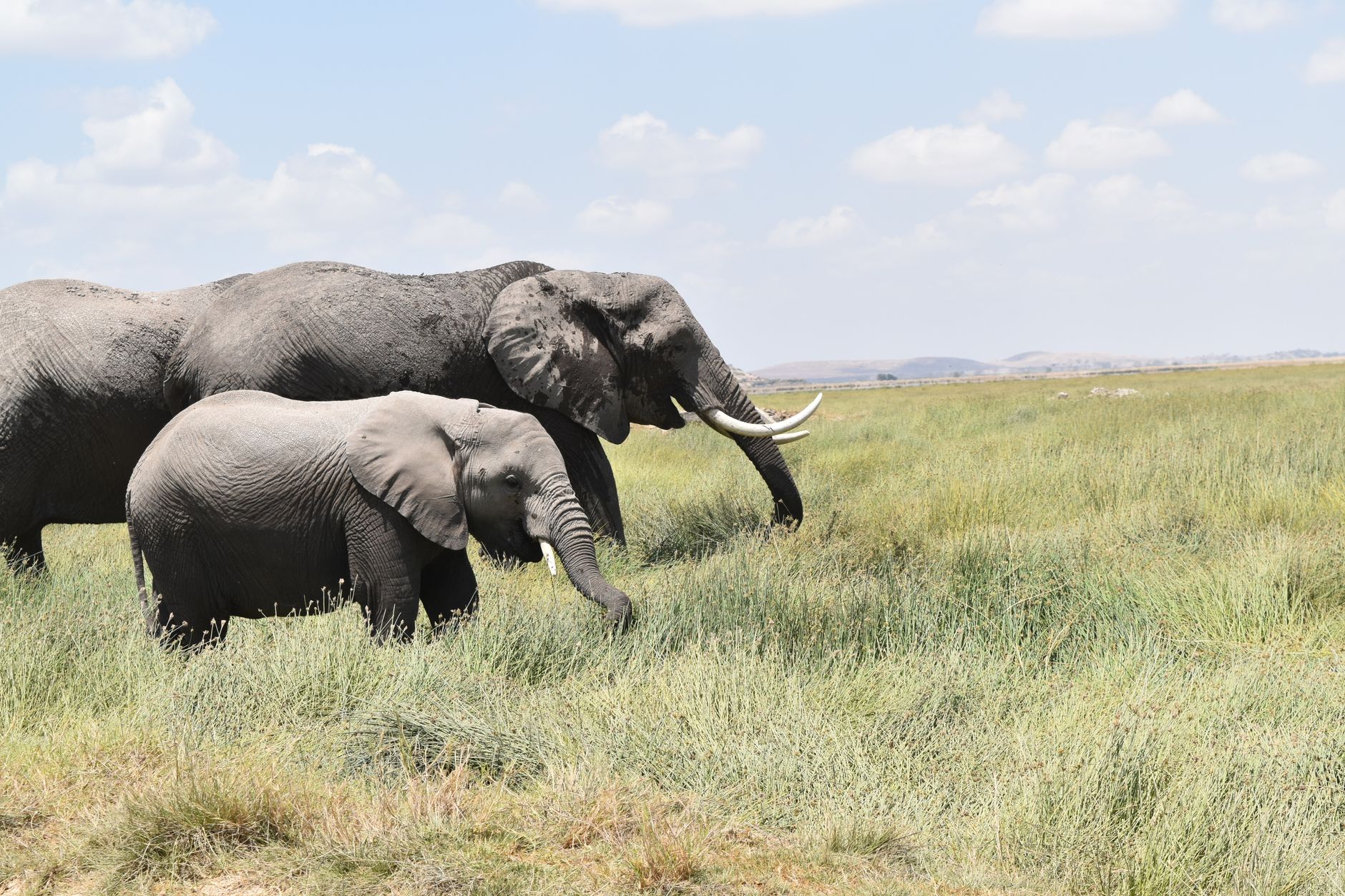
If black rhino is a goal, manage expectations. The animals are wild, monitored by conservation teams, and often far from the road. Ngorongoro black rhino sightings are never guaranteed, but the crater gives you the strongest chance in northern Tanzania. In Tarangire, focus on the park’s elephant society. Family herds travel along the river, and bulls test each other near waterholes. That is behavior, not just a list of species.
When Is the Best Time to Visit Tarangire and Ngorongoro?
Visit Tarangire from July to October for the most predictable elephant and predator viewing around the river, when wildlife concentrates as surrounding areas dry out. Ngorongoro offers reliable game viewing all year. Wetter months bring fewer visitors and muddier roads.
The best time to visit Tarangire depends on rainfall. During the dry months, water sources shrink and the Tarangire River becomes a magnet. That is why July to October is popular. In Ngorongoro, the crater holds permanent swamps and open grassland, so resident wildlife stays visible even in green months. January and February often bring lighter rain and green scenery before the long rains begin in March. Travelers who want fewer crowds sometimes choose the wet season anyway. Roads can turn muddy, especially around April and May, but the payoff is green scenery and excellent birding.
If your itinerary continues into the Serengeti, timing shifts with the migration. Our article on Serengeti and Masai Mara migration timing explains the key months to match across both countries.
How Do Crowds, Scenery, and Safari Style Compare?
Tarangire usually feels quieter and more exploratory because its broad landscape spreads vehicles across a large park. Ngorongoro offers extraordinary volcanic scenery and dense sightings but can feel busy around popular animals, descent routes, and picnic areas. Choose Tarangire for unhurried wilderness. Choose Ngorongoro for dramatic scenery and concentrated action.
For photographers, Ngorongoro’s crater walls frame dramatic, easily photographed views from the descent road. Tarangire’s baobabs and wide horizons give a quieter composition. Tarangire can feel like a search because game is scattered across a big area. Ngorongoro concentrates vehicles in a smaller space, especially at famous sightings and picnic sites. That is not a flaw, but it is a style difference.
Is Ngorongoro More Expensive Than Tarangire?
Tarangire is normally the lower-cost option because a standard park entry is simpler than a Ngorongoro visit. Ngorongoro can add conservation-area charges and a separate crater-service or descent fee, making a single crater day comparatively expensive. Exact prices change by nationality, operator, vehicle, and season, so request an itemized quotation.
When a quote looks very low for Ngorongoro, ask what it excludes. Many itineraries show the crater as a day trip from lodges near the rim, with fees added at the gate. Tarangire has a simpler fee structure, so its daily rate is often easier to compare. Read our Ngorongoro Crater safari cost article before you ask for quotes.
How Many Nights Do You Need in Each Park?
Allow one full day for Ngorongoro, usually with one night nearby, because the main experience is a crater descent. Tarangire deserves one to two nights, particularly in the dry season. A second game drive improves your chances of seeing elephants, predators, and changing wildlife concentrations across the park.
Many first-time travelers treat Ngorongoro as a one-crater-day experience. One night at the rim is enough. Tarangire rewards a slower approach. A second morning drive lets you read elephant movement and predator behavior rather than rushing away after one highlight. If you are weighing Ngorongoro against time in the Serengeti, see our Ngorongoro Crater versus the Serengeti breakdown.
Should You Visit Tarangire and Ngorongoro Together?
Yes, combining them creates a more balanced northern Tanzania safari when the budget and schedule allow. Tarangire contributes seasonal movement, elephants, baobabs, and quieter drives, while Ngorongoro contributes year-round density and crater scenery. Pairing both is especially useful on a five- to seven-day itinerary that also includes the Serengeti.
Tarangire and Ngorongoro are not interchangeable with each other, and neither is interchangeable with Kenya’s Amboseli, which some travelers also weigh when planning a cross-border trip. Amboseli offers open plains, Kilimanjaro backdrops, and remarkable elephant families. Tarangire gives elephants more baobab savanna and extra space. Ngorongoro adds crater density and a realistic black rhino chance. Our Kenya-Tanzania safari itineraries for families shows one way to combine them. If you start from Amboseli, our Amboseli safari guide helps you understand the Kenya side first.
What Should You Do Next?
For a tarangire vs ngorongoro safari, write one sentence that names your top priority before you compare operators. Are you chasing Tarangire’s open spaces and dry-season elephant behavior, or Ngorongoro’s dense, enclosed game? A good operator should explain how their route handles Tarangire’s seasonal water patterns or Ngorongoro’s crater rules. Start by browsing packages and comparing operator styles at FindMySafari or Valley Safaris, then ask each company how their park days match your answer.
More safari planning resources
- Best time to visit Kenya map from SafariPure
- Kenya wildlife tours from Trunktrails Safaris
- Best time to visit Kenya month-by-month map from Valley Safaris
- Big Five safari collection on FindMySafari